
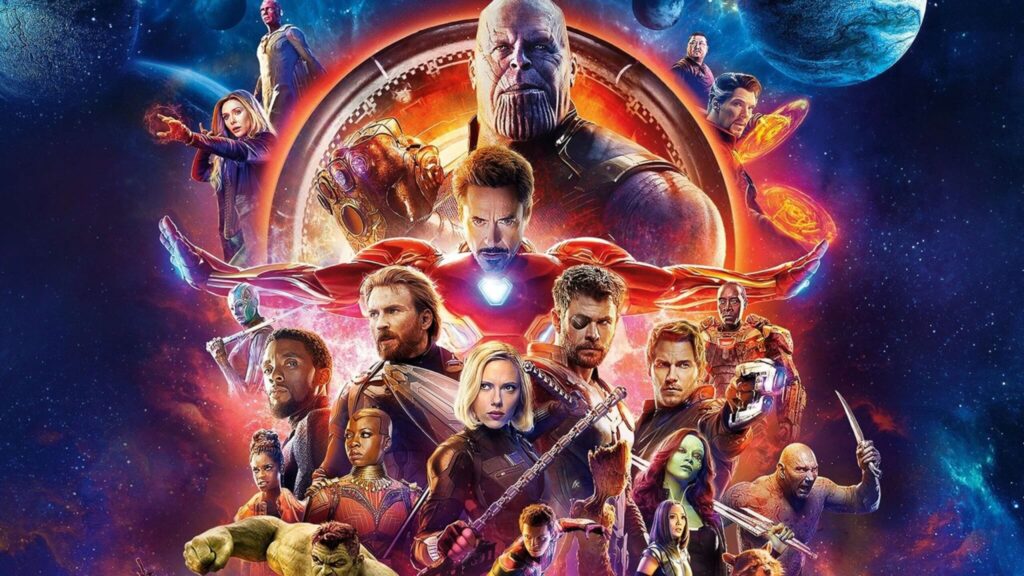
The Marvel Cinematic Universe (MCU) launched in 2008 with Iron Man, and since then, Marvel Studios has released an expansive lineup of connected movies and TV shows. Each one is organized into one of six phases (more on that later) and one of two storylines: The Infinity Saga and The Multiverse Saga. With so much to dive into, the MCU can feel a bit overwhelming, especially if you’re trying to figure out where to begin.
So, should you watch in Release Order or Chronological Order? The short answer: It depends. Each has its benefits. The right choice ultimately comes down to what kind of viewing experience you’re looking for. Let’s break it down.
Comparing Both Viewing Orders
Complete MCU Release Order List
Complete MCU Chronological Order List
Why Release Order Works for First-Time Viewers
Watching in Release Order makes sense because Marvel Studios carefully planned each installment to build on what came before. Post-credit scenes tease future storylines and new characters appear at the right time. Iron Man lays the groundwork, showing Tony Stark’s world of advanced tech, secret agencies, and bigger mysteries. The post-credit scene with Nick Fury talking about “the Avengers Initiative” is most exciting if you haven’t seen the later movies yet.
Release Order also allows you to meet characters the way Marvel intended. Thanos is introduced only as a distant threat at first, and the Infinity Stones are scattered across different movies before you learn what they mean. By the time you reach Avengers: Endgame, the emotional and narrative payoff feels far more powerful feel because it’s been built up over time.
Watching this way also helps keep the story moving smoothly. Captain America: The First Avenger takes place in the 1940s, but watching it as the fifth movie (after Thor) maintains the story flow. If you watched before Iron Man, it might feel out of place, and the ending makes more sense if you know Steve Rogers’ future.
Finally, Kevin Feige has explained that post-credit scenes are designed to “build hype for the next MCU film, or for something big and long-game.” By 2025’s The Fantastic Four: First Steps, the franchise includes 88 post-credit scenes spread across 51 movies and shows. Watching them out of order can easily spoil their intended impact.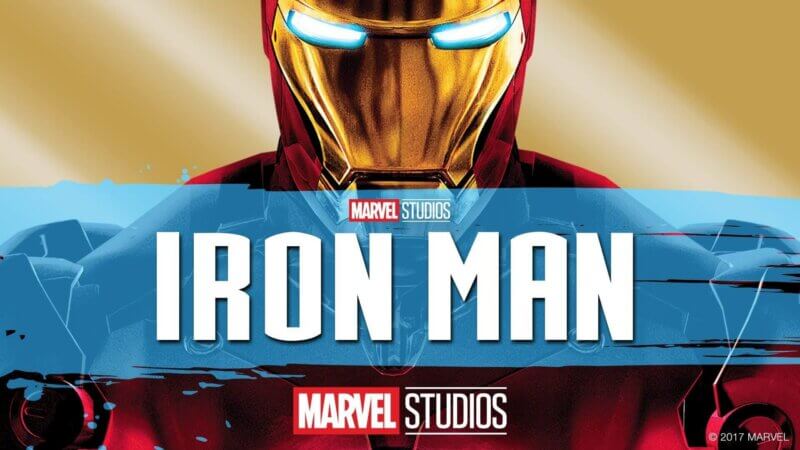
Why Chronological Order Works for Rewatches
Chronological Order serves a different purpose. Once you know the overarching narrative, rearranging all the pieces lets you see the timeline from a new perspective. Events that once felt separate in Release Order suddenly gain new context. In this format, you watch Wakanda’s history unfold across centuries before actually meeting T’Challa, and you see Captain America’s wartime heroism before jumping ahead in time to his modern struggles.
It’s worth noting that the MCU officially adjusted its chronology in August 2025. Disney+ added Eyes of Wakanda to the top of its MCU Timeline Order, replacing Captain America: The First Avenger. This animated series features episodes set in 1260 BC, 1200 BC, 1400 AD, and 1896 AD, all focused on Wakanda’s efforts to protect dangerous artifacts. It now holds the earliest position in the MCU’s Sacred Timeline.
From there, the chronology moves through Captain America’s World War II adventures, Agent Carter’s post-war operations, The Fantastic Four’s 1960s origin (set in an alternate timeline called Earth-828), and Captain Marvel’s 1990s story, before arriving at Iron Man in 2008.
This approach lets you appreciate how Marvel retrofitted prequels into the existing framework. Captain Marvel was released in 2019, but set in 1995. Watching it chronologically means waiting nearly 20 storylines before Brie Larson’s character, Carol Danvers, is mentioned again. That gap feels strange, but it also shows how carefully the studio planned the timeline.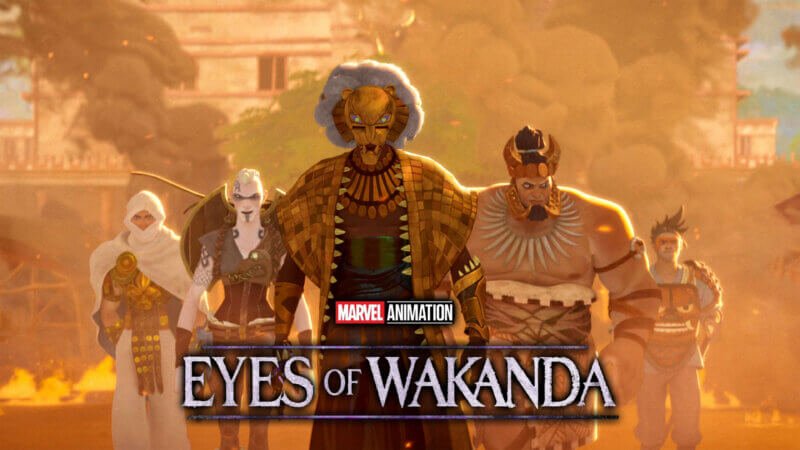
How the MCU Timeline Actually Works
The MCU timeline gets a little complicated starting with Phase 3. While earlier phases follow a more straightforward path (with release dates roughly matching the in-universe chronology), Phase 3 introduces overlapping storylines. Black Widow, released in 2021, is set between Captain America: Civil War (2016) and Avengers: Infinity War (2018), and mainly takes place in the aftermath of Civil War.
Avengers: Endgame has a five-year time jump (The Snap or The Blip occurs in 2018), but most of Endgame takes place in the year 2023. Every project set after Endgame reflects this jump, placing Phase 4 and Phase 5 content in what was then the near future.
Recognizing the confusion, Marvel Studios decided to pinpoint where each project falls in the timeline. In October 2023, DK Publishing released The Marvel Cinematic Universe: An Official Timeline, written by journalists Anthony Breznican, Amy Ratcliffe, and Rebecca Theodore-Vachon in collaboration with Marvel Studios. Brad Winderbaum, a Marvel executive, called the book “the first time the studio was officially laying out the timeline.”
Disney+ also restructured its Marvel section in October 2020, adding both phase-based groupings and a timeline order collection. This collection now serves as the studio’s official reference for chronological viewing.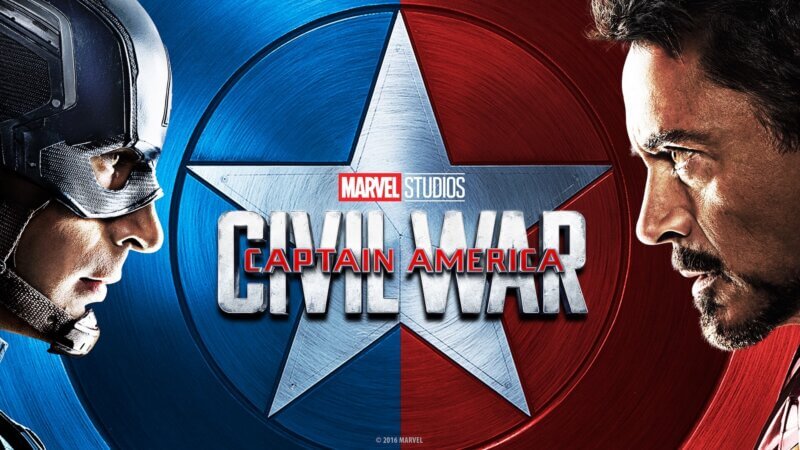
Phase-by-Phase Breakdown
The Infinity Saga (Phases 1, 2, and 3)
Phases 1 through 3 form a complete story arc called The Infinity Saga. This 23-film sequence revolves around six artifacts known as the Infinity Stones. The arc begins with Iron Man in 2008 and concludes with Spider-Man: Far From Home in 2019.
Phase 1 also introduces the core Avengers: Iron Man, Hulk, Thor, and Captain America. It ends with The Avengers (2012), the first crossover bringing these characters together.
Phase 2, which runs from 2013 to 2015, expands on the characters and the universe. Iron Man 3, Thor: The Dark World, Captain America: The Winter Soldier, Guardians of the Galaxy, Avengers: Age of Ultron, and Ant-Man all fall within this period.
Phase 3 brings the Infinity Saga to its conclusion with the Infinity War and Endgame sequels, wrapping up storylines that had been building for over a decade. This phase includes: Captain America: Civil War, Doctor Strange, Spider-Man: Homecoming, Thor: Ragnarok, Black Panther, Avengers: Infinity War, and Avengers: Endgame.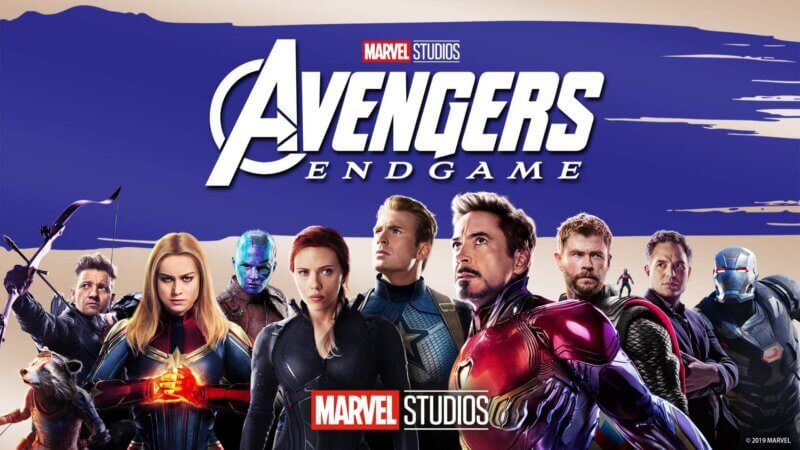
The Multiverse Saga (Phases 4, 5, and 6)
The Multiverse Saga begins with Phase 4 in 2021 and will conclude with Phase 6’s Avengers: Secret Wars in December 2027.
Phase 4 introduced new characters and concepts following the conclusion of Endgame. WandaVision, the first Disney+ series, which premiered in January 2021, established that TV shows could carry the same level of plot weight as films. Loki, also part of Phase 4, introduced the multiverse concept that defines the entire saga. In fact, the show’s finale sees Loki create the multiverse itself, becoming the “God of Stories” and unleashing multiple variants of Kang across timelines.
Phase 5, consisting of 15 projects (six films and nine shows), ran from 2023 to 2025 and concluded with the release of Thunderbolts**. This phase includes Ant-Man and the Wasp: Quantumania, Guardians of the Galaxy Vol. 3, The Marvels, Deadpool & Wolverine, Captain America: Brave New World, and the conclusion of several Disney+ series.
Phase 6 began with The Fantastic Four: First Steps in July 2025. Upcoming releases include Spider-Man: Brand New Day (July 2026), Avengers: Doomsday (December 2026), and Avengers: Secret Wars (December 2027). Feige called Phase 6 “the most focused phase” after Phases 4 and 5 were used to “experiment” and expand, sometimes “too much” in his own words.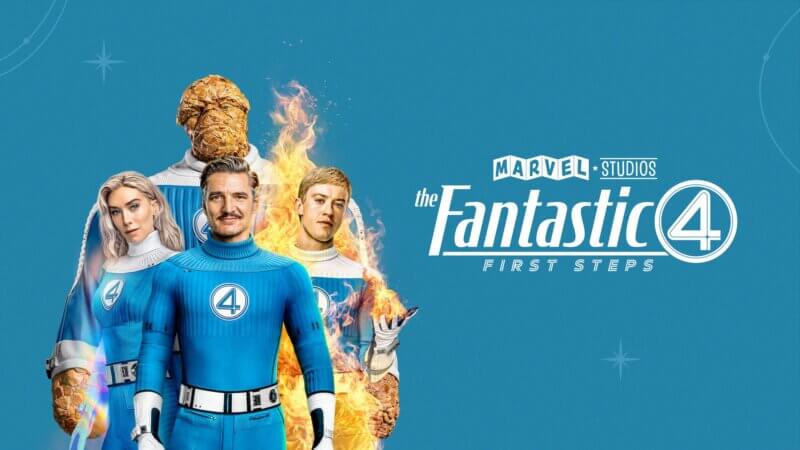
The Multiverse Problem
Specific MCU projects exist outside standard timeline logic. For example, Loki takes place entirely outside conventional time. The show’s central character is technically from the year 2012, but the events take place in the Time Variance Authority, which operates outside temporal constraints. Watching Loki after Avengers: Endgame makes sense because the latter contains the branching point where the Loki variant splits off and also because the second season of Loki explains how the multiverse came to exist.
What If…? presents another challenge. This animated anthology explores alternate versions of MCU events across multiple universes and timelines. With that in mind, this series works best after Loki because that show establishes the multiverse’s existence.
The Fantastic Four: First Steps adds another layer. The film takes place primarily in 1964, but in an alternate reality called Earth-828. This setting features retrofuturistic design elements that separate it from the main MCU timeline (Earth-616). Despite being set decades before most MCU content, Disney+ placed it at the end of the current chronological order. The placement prioritizes the film’s relationship to the ongoing Multiverse Saga rather than its internal setting.
Deadpool & Wolverine technically takes place in March 2024, which would position it before much of Phase 4. However, the film contains multiverse jokes and references that work better if viewed after other Phase 4 and 5 content. But, since it has no real connection to wider MCU events, its placement is more flexible.
TV Shows and the Sacred Timeline
Disney+ shows became essential viewing starting with WandaVision in 2021. These series carry plot weight. WandaVision sets up Wanda’s turn toward darkness in Doctor Strange in the Multiverse of Madness. Falcon and the Winter Soldier establishes Sam Wilson as the new Captain America. Hawkeye introduces characters who appear in later projects.
Then there’s the Marvel Netflix shows (Daredevil, Jessica Jones, Luke Cage, Iron Fist, The Punisher, and The Defenders), which now hold canonical status within the Sacred Timeline. Daredevil: Born Again, released in March 2025, continues Charlie Cox’s story directly. The first season is set after Echo, with a prologue in late 2025, then jumps ahead to late 2026 and early 2027.
If you want to slim down your viewing list, you could skip Agents of SHIELD and other Netflix shows. Why? While they feature recurring characters, Marvel has confirmed they exist outside the Sacred Timeline. However, with Daredevil: Born Again treating the Netflix material as backstory, skipping those shows also means missing context for current releases.
To help with this, Marvel Studios created “Marvel Animation” and “Marvel Television” banners for animated and live-action series in 2024. Along with the “Marvel Spotlight” banner, these labels help audiences identify which content they can skip without losing track of the main story.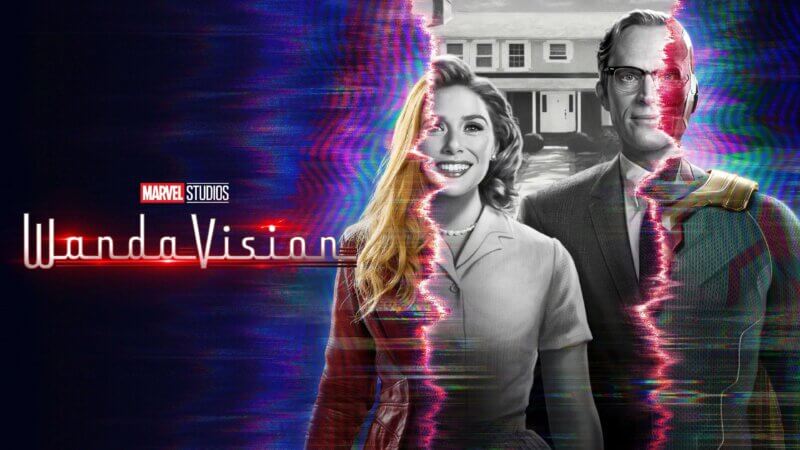
Where to Watch
You can always check to see what’s streaming where on Plex, but as of 2025, nearly every MCU film and TV show is available on Disney+. The streaming service hosts content organized by phase and by timeline order and you can access either collection within the Marvel section.
The main exception to this is the Spider-Man trilogy (Homecoming, Far From Home, and No Way Home). Sony holds distribution rights to these films, so their availability on Disney+ varies by region and licensing agreements.
You can also find the Netflix Defenders series (Daredevil, Jessica Jones, Luke Cage, Iron Fist, The Punisher, and The Defenders) on Disney+ as part of the platform’s MCU offerings.
Upcoming MCU Releases
| Title | Release Date | Phase |
|---|---|---|
| Wonder Man | January 27, 2026 | 6 |
| Daredevil: Born Again Season 2 | March 4, 2026 | 6 |
| Spider-Man: Brand New Day | July 31, 2026 | 6 |
| Avengers: Doomsday | December 18, 2026 | 6 |
| Vision Quest | 2026 (TBA) | 6 |
| Avengers: Secret Wars | December 17, 2027 | 6 |
| Blade | TBA | TBA |
| X-Men | TBA | TBA |
| Armor Wars | TBA | TBA |
The gap between The Fantastic Four: First Steps (July 2025) and Spider-Man: Brand New Day (July 2026) is the longest since COVID caused delays between Spider-Man: Far From Home (2019) and Black Widow (2021).
At San Diego Comic-Con in 2024, Marvel announced it had retitled the fifth Avengers film from Avengers: The Kang Dynasty to Avengers: Doomsday. Robert Downey Jr. was also announced as Victor von Doom (Doctor Doom), the new antagonist in both Doomsday and Secret Wars. This marks Downey’s return to the MCU after portraying Tony Stark/Iron Man from 2008 to 2019.
Kevin Feige has stated that Marvel Studios maintains plans for up to seven years ahead, with potential films arranged on magnets that can be repositioned as needed. By July 2025, the studio had mapped out projects through 2032 and was “already well into development” on three additional phases following the Multiverse Saga.
The Case for Iron Man First
Some fans argue that Captain America: The First Avenger should start any viewing order since it is set earliest (1942). However, Iron Man remains the strongest opening for several reasons.
Iron Man establishes the tone, rules, and visual language of the MCU. Tony Stark’s journey from weapons manufacturer to hero creates emotional investment in a world where superheroes are new. The post-credit scene with Nick Fury introduces SHIELD and the Avengers Initiative, setting up everything that follows.
On the other hand, starting with The First Avenger puts you in a period piece war film that ends with Steve Rogers waking up in modern-day New York. That moment carries weight only if you already know the MCU exists.
Captain Marvel, set in 1995, has a similar issue. Watching it before Iron Man totally undermines Nick Fury’s iconic post-credit appearance. The entire point of that scene is to generate anticipation among the audience.
The Netflix Shows Question
The Marvel Netflix series presents a choice. Daredevil (3 seasons), Jessica Jones (3 seasons), Luke Cage (2 seasons), Iron Fist (2 seasons), The Punisher (2 seasons), and The Defenders crossover miniseries originally aired between 2015 and 2019. For years, their canonical status remained uncertain.
As of 2025, these shows are officially part of the MCU. Daredevil: Born Again continues Charlie Cox’s story directly, with Vincent D’Onofrio returning as Wilson Fisk/Kingpin. Echo, released in 2024, featured both actors and treated their Netflix appearances as established backstory.
Including the Netflix shows in your viewing order adds about 13 seasons of content. For completionists, this material fills gaps between MCU films and provides deeper context for characters that are now appearing in current releases. For casual viewers though, the shows can be skipped without losing the main thread.
If you include them, the Netflix shows fit chronologically between Phase 2 and Phase 3 films. Daredevil Season 1 takes place after The Avengers but before Avengers: Age of Ultron.
One-Shots and Specials
Marvel also produced a series of short films called “One-Shots” that bridge gaps between movies. These include The Consultant, A Funny Thing Happened on the Way to Thor’s Hammer, Item 47, Agent Carter (the short that led to the TV series), and All Hail the King. Most are available on Disney+ and add small details to the larger story without being required viewing.
Disney+ specials like Werewolf by Night and The Guardians of the Galaxy Holiday Special fall into similar territory. They contribute to the timeline but function as standalone content.
Which Order Should You Choose?
The answer depends on your familiarity with the material.
If you’ve never watched the MCU, begin with Release Order. This approach follows the filmmakers’ intentions, preserves reveals and surprises, and provides natural pacing. You’ll also understand why certain moments matter because you’ll have experienced them in the same way as the original audience.
If you’ve already seen most or all MCU content, Chronological Order offers a fresh perspective on familiar material. The pacing is different, with multiple prologues front-loaded before the action picks up and long gaps between character appearances. The timeline’s construction becomes visible in ways that Release Order obscures.
For those planning an Avengers: Doomsday preparation marathon, the Release Order remains simplest. Doomsday reportedly follows directly from the events of Avengers: Endgame while incorporating multiverse elements established across Phases 4 and 5.
The Completionist Warning
With total runtime exceeding 200 hours, watching every MCU film and TV show requires commitment. The franchise includes 37 films, over 20 TV series, multiple specials, and various One-Shots.
If you’re looking to get the whole picture in the shortest amount of time, prioritize the films and the following series: WandaVision, Loki (both seasons), and Daredevil: Born Again. These carry the most weight for upcoming releases.
Final Recommendations
- For first-time viewers, watch in Release Order, starting with Iron Man (2008) and continuing through each phase sequentially. Include Disney+ shows by release date. Skip the Netflix shows on your first pass unless you specifically want Daredevil content before watching Daredevil: Born Again.
- For rewatches, try Chronological Order, starting with Eyes of Wakanda. Accept that the pacing will feel unconventional and appreciate how Marvel constructed a timeline spanning thousands of years and dozens of projects.
- For casual interest, start with Iron Man, and The Avengers. Then skip to Captain America: Civil War, and Infinity War and Endgame. This abbreviated path covers the core story in five films.
- For Avengers: Doomsday preparation, watch in Release Order. Start with Thunderbolts** and then The Fantastic Four: First Steps. The new Avengers film builds on the entire Multiverse Saga, so familiarity with Loki’s multiverse establishment and Phase 5’s setup is also helpful.
The MCU’s six phases and two sagas represent a storytelling project without precedent in film history. It’s a complex interconnected narrative spanning years, genres, and characters. How you approach it ultimately depends on the experience you want to have.