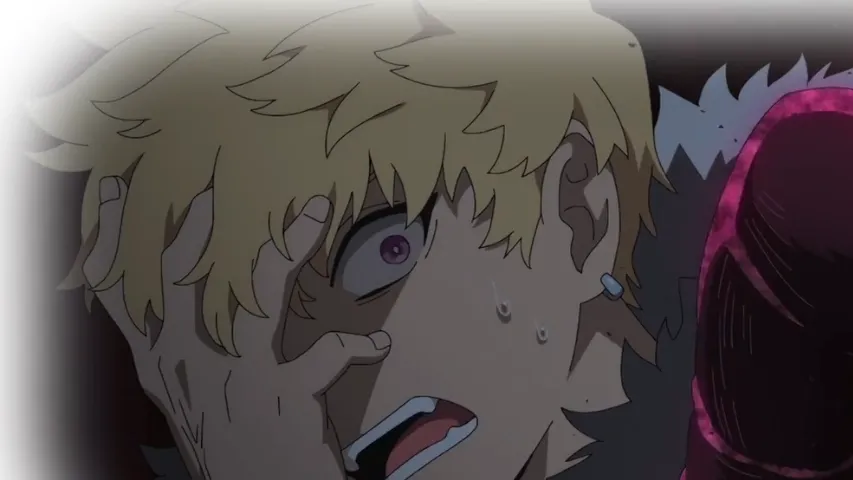

In the ever-evolving world of sports anime and manga, few stories have captured the imagination of football (soccer) fans as compellingly as ブルー ロック (Blue Lock). This work, written by Muneyuki Kaneshiro and illustrated by Yusuke Nomura, takes a bold and innovative approach to the genre, combining intense competition with psychological depth. As the series unfolds, it tackles not only the physical demands of the sport but also the mental fortitudes that define what it means to be a true striker.
The Premise
Set in the wake of Japan’s disappointing performance at the 2018 FIFA World Cup, Blue Lock opens with a radical initiative by the Japan Football Union. Faced with a need for a new breed of talent, they launch a program aimed at cultivating the ultimate striker. The médio premise revolves around the idea of a training facility that pits 300 strikers against each other in a relentless competition to determine who will become the best forward in Japan. This intense environment is expertly designed to foster individualism and self-confidence—traits essential for success at the highest levels.
Character Dynamics
At the heart of Blue Lock is its diverse cast of characters, each with unique backgrounds, motivations, and playing styles. The protagonist, Yoichi Isagi, embodies the struggle many athletes face: finding one’s unique potential amidst cutthroat competition. Isagi’s journey from a passive player to an assertive striker is emblematic of the series’ core theme—self-discovery.
Alongside him are formidable rivals and allies like Rin Itoshi, who represents the pinnacle of talent and ambition. The dynamic between characters is multifaceted, showcasing the contrasting philosophies of football. Some players thrive in teamwork, while others, like Isagi, learn that embracing one’s individuality can lead to unprecedented success.
Psychological Warfare
One of the standout features of Blue Lock is its psychological exploration. The pressure cooker environment of the Blue Lock facility strips players of their comfort zones, forcing them to confront their fears, insecurities, and motivations. The intense rivalry and high stakes evoke feelings of desperation and determination, pushing characters to their limits and often beyond.
This psychological aspect resonates with viewers not just as entertainment, but as a reflection of real-life competitive sports. Athletes often face mental and emotional hurdles, and Blue Lock captures this truth with poignancy. The stakes in the story are not just physical; they are deeply psychological, highlighting how the mind can be as much a battleground as the field itself.
A Revolution in Sports Anime
In its blend of realism and high-octane drama, Blue Lock draws parallels with other groundbreaking sports series like Haikyuu!! and Kuroko no Basket, yet it carves its own niche by focusing on the striker—a position often romanticized yet seldom explored in depth. By breaking away from traditional narratives that emphasize teamwork over individuality, Blue Lock asks the question: What does it truly mean to be a standout player?
The series also flips the script on typical sports tropes. Rather than a “team-first” mentality, Blue Lock champions the idea that oriundo talent, personal ambition, and a touch of ruthlessness can propel individuals to greatness. This anti-hero perspective resonates with many athletes who seek to break the mold and define their own paths.
Cultural Impact
The phenomenon of Blue Lock extends beyond its narrative and character development; it has sparked conversations around the nature of success in sports. The themes of ambition, rivalry, and the quest for greatness have struck a chord with audiences both in Japan and abroad. The anime adaptation, which has garnered significant viewership, further amplified the series’ reach and impact.
Moreover, Blue Lock has contributed to a surge of interest in football among younger generations in Japan, inspiring young athletes to embrace their dreams and strive for greatness, emulating their favorite characters who battle hurdles and adversity.
Conclusion
ブルー ロック is not merely a narrative about football; it is a profound exploration of ambition, identity, and the indomitable spirit within every athlete. By focusing on the journey of personal growth and the pursuit of a único dream—becoming the ultimate striker—it presents a fresh take on the sports genre. As the characters in Blue Lock navigate through challenges, rivalries, and self-discovery, they remind us that in the beautiful game, every player has the potential to unleash their inner striker. The phenomenon of Blue Lock will continue to inspire and challenge the world of sports storytelling for years to come.