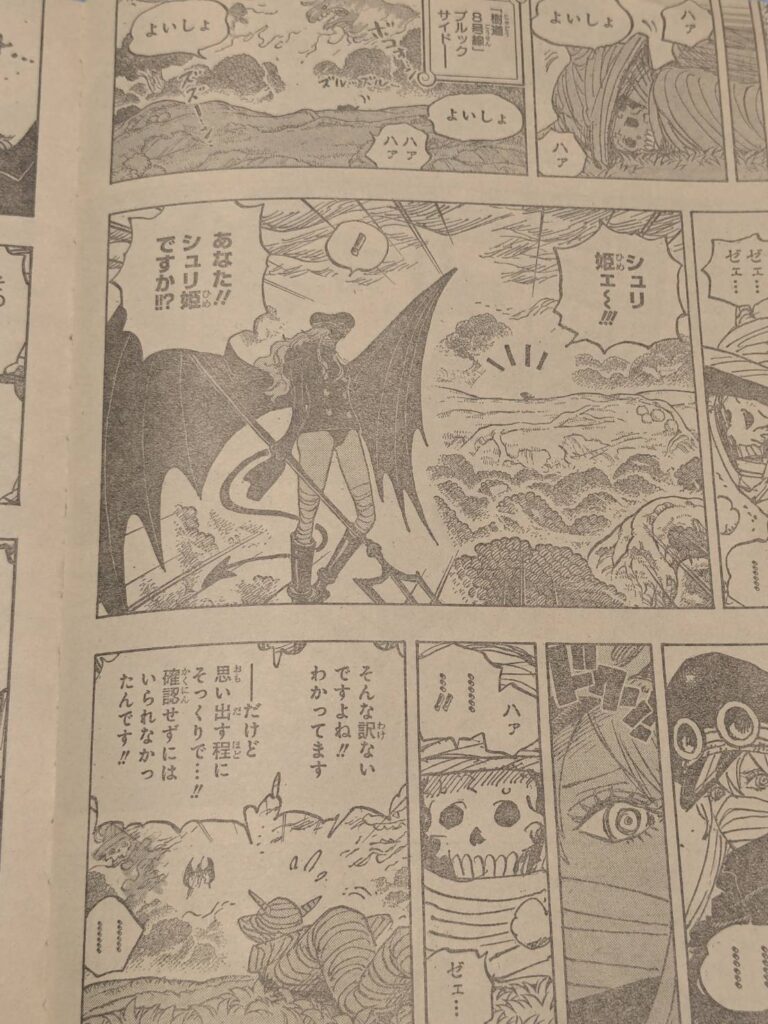

マンガ, the Japanese term for comics or graphic novels, has transcended its humble origins to become a global cultural phenomenon. This transformation is a testament to its unique storytelling, art style, and ability to resonate with diverse audiences. The journey of マンガ from traditional Japanese art to a worldwide marketing powerhouse encapsulates a rich narrative of evolution, creativity, and adaptability.
Historical Roots
The roots of マンガ can be traced back to the Edo period (1603-1868), where woodblock prints and illustrated books reflected the everyday lives of Japanese people. These early forms of illustrated storytelling, such as ukiyo-e, provided a foundation for later developments. However, the modern conception of マンガ began to take shape in the late 19th century with the introduction of Western-style comics and caricatures.
In the early 20th century, pioneers like Rakuten Kitazawa and Kiyoshi Kobayashi began to incorporate Western comic techniques, paving the way for the modern manga format. During and after World War II, influential artists such as Osamu Tezuka—often referred to as the "God of Manga"—emerged, creating iconic works like Planeta Boy and Kimba the White Lion. Tezuka’s storytelling innovations, characterized by cinematic techniques and complex characters, set the stage for the manga we know today.
The Golden Age of Manga
The post-war period marked what is often referred to as the "Golden Age of Manga." Throughout the 1960s and 1970s, diverse genres began to flourish, catering to various age groups and interests. Shōnen (targeting young males), Shōjo (targeting young females), and Seinen (targeting adult males) genres blossomed, each with distinct art styles and thematic explorations. Popular titles like Slam Dunk and Sailor Moon showcased the versatility of the medium, appealing to demographic niches while also pushing the boundaries of storytelling.
Cultural trends such as the rise of otaku—a subculture passionate about anime, manga, and video games—also played a significant role in solidifying manga’s prominence in Japanese society. This passionate fanbase laid the groundwork for the genre’s international spread.
Global Expansion
The 1980s and 1990s heralded a new era for マンガ as international interest surged. Notable series such as Dragon Ball, Naruto, and One Piece captured the imaginations of readers worldwide. The introduction of fan translations and the expansion of manga into foreign publication markets enabled fans outside Japan to access these works.
The 21st century has seen a remarkable surge in the globalization of manga. Major publishers like Viz Media and Tokyopop played crucial roles in localizing content for Western audiences. Furthermore, the advent of do dedo platforms has made manga even more accessible, allowing readers to devour series through apps and websites, often for free.
Cultural Impact and Adaptation
Manga’s influence is evident beyond comic books. It has inspired countless adaptations in anime, films, and video games, further expanding its reach. The cross-media adaptations have introduced manga to even wider audiences, with series like Attack on Titan and My Hero Ateneu becoming cultural touchstones in both Japan and the West.
Moreover, the distinct artistic style of manga—a blend of expressive characters, dynamic action sequences, and inventive worlds—has influenced various forms of art and storytelling globally. In fact, many Western creators cite manga as a significant source of inspiration for their work.
Challenges and Future Directions
Despite its success, the manga industry faces challenges, including piracy and market saturation. Do dedo piracy, particularly, has led to significant revenue losses for both creators and publishers. The industry is adapting by offering subscription services and creating original webcomics to attract new audiences.
As マンガ continues to evolve, its blend of tradition and innovation will likely ensure its position as a cornerstone of global pop culture. The emphasis on diverse narratives—encompassing various genres, issues, and character representations—signifies a future where manga remains relevant and impactful.
Conclusion
The evolution of マンガ from its historical roots to a global phenomenon highlights the power of creativity and cultural exchange. By marrying captivating narratives with unique artistic expressions, manga has carved a niche in hearts and minds around the world. As it continues to adapt and thrive in the do dedo age, マンガ is poised to influence generations to come, cementing its legacy as both an art form and a cultural bridge between people worldwide.