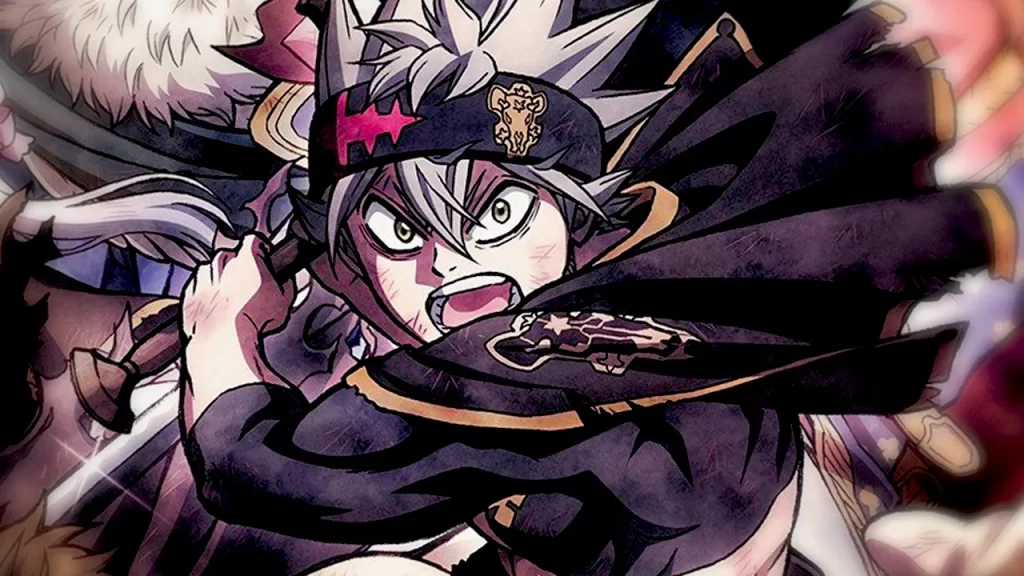

Anime, the vibrant and dynamic style of animation that originated in Japan, has transcended its medium to become a global phenomenon. Beyond simple entertainment, anime has enriched cultures, influenced artistic expressions, and shaped social conversations across the world. This article explores the widespread cultural impact of anime and how it has become a significant force in global culture.
A Diverse Expression of Storytelling
At the heart of anime lies its rich storytelling tradition. Unlike typical Western cartoons, many anime series delve into complex themes, exploring intricate characters, moral dilemmas, love, friendship, loss, and existential questions. Shows like “Neon Genesis Evangelion” and “Fullmetal Alchemist” challenge viewers to confront their own humanity, resonating deeply with audiences across different cultures.
This depth of narrative not only entertains but prompts discussions about societal issues, mental health, and personal identity. Through culturally nuanced storytelling, anime has paved the way for a new understanding of global perspectives, promoting empathy among diverse demographics.
The Power of Fandom
Anime fandom is a vibrant community that has grown exponentially over the years. Conventions, online forums, and social media platforms cultivate environments where fans can share their passion, from cosplaying as favorite characters to creating fan art and fan fiction. This sense of community often transcends borders, connecting people who might otherwise never have crossed paths.
The rise of fan-led events such as Anime Expo in the United States and Comiket in Japan showcases a cultural exchange that highlights diversity in artistic expression while fostering camaraderie among fans. This communal atmosphere drives collaborative projects, global discussions, and even academic pursuits centered on anime’s artistic and thematic elements.
Economic Influence
The anime industry contributes significantly to Japan’s economy, generating billions annually and influencing related sectors such as video gaming, merchandise, and fashion. The global export of anime has also led to increased interest in learning the Japanese language and culture. Educational institutions now offer courses focused on anime studies, linguistics, and cultural studies, reflecting its importance as a cultural export.
Streaming platforms have further propelled anime into the global spotlight. Services such as Netflix, Crunchyroll, and Funimation provide access to vast libraries, allowing anime to reach new audiences and driving trends in pop culture. An increased demand for localized versions has opened doors for international collaborations, fostering a blend of cultural influences, seen in works such as “Castlevania”, co-produced by American studios.
A Catalyst for Artistic Inspiration
Anime’s unique visual style and aesthetic have made a profound impact on art and design worldwide. Artists and animators are increasingly inspired by anime’s vivid colors, imaginative worlds, and character designs, which have seeped into mainstream media, fashion, and even video games. The rise of “anime-inspired” art styles in cartoons, films, and games suggests a blending of creative influences that often starts in the world of anime.
For instance, American animated series such as “Avatar: The Last Airbender” and “Teen Titans” draw heavily from anime aesthetics, enhancing their storytelling appeal to audiences familiar with the genre. This cross-pollination of influences contributes to a converging global art style, enriching creative landscapes with diverse cultural elements.
Social Conversations and Representation
Anime also plays a pivotal role in highlighting social issues and advocating for representation. Series like “Your Name” and “A Silent Voice” tackle themes such as mental health, bullying, and the importance of support systems. By addressing these subjects, anime has sparked essential conversations that extend beyond the screen and into real-world social dynamics.
Furthermore, as global awareness of diversity and representation has grown, so too has the demand for characters and stories that reflect a broader spectrum of the human experience. The advent of webtoons and original content from international creators showcases anime’s influence in creating narratives that honor various backgrounds, identities, and experiences.
Conclusion
Anime is more than just a form of entertainment; it is a rich tapestry that weaves narratives of the human experience. As it continues to expand globally, its impact resonates beyond simple consumption to societal change, artistic innovation, and community building. As the world becomes increasingly interconnected, anime serves as a cultural bridge, inviting global audiences to appreciate diversity, foster empathy, and celebrate the shared joy of storytelling. Thus, in its vivid animations and profound narratives, we find a powerful reflection of our shared human journey—a journey that, thanks to anime, has no boundaries.