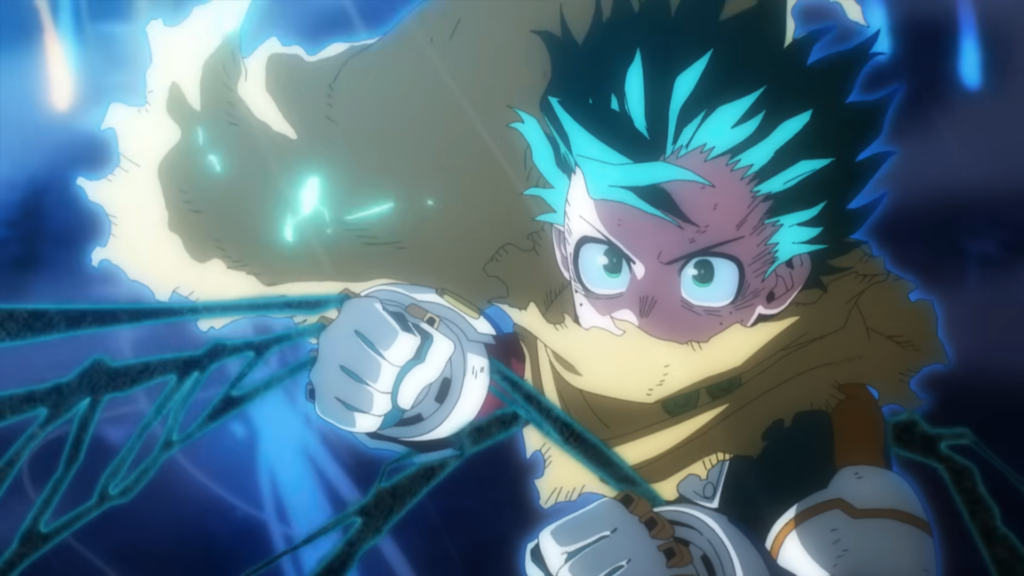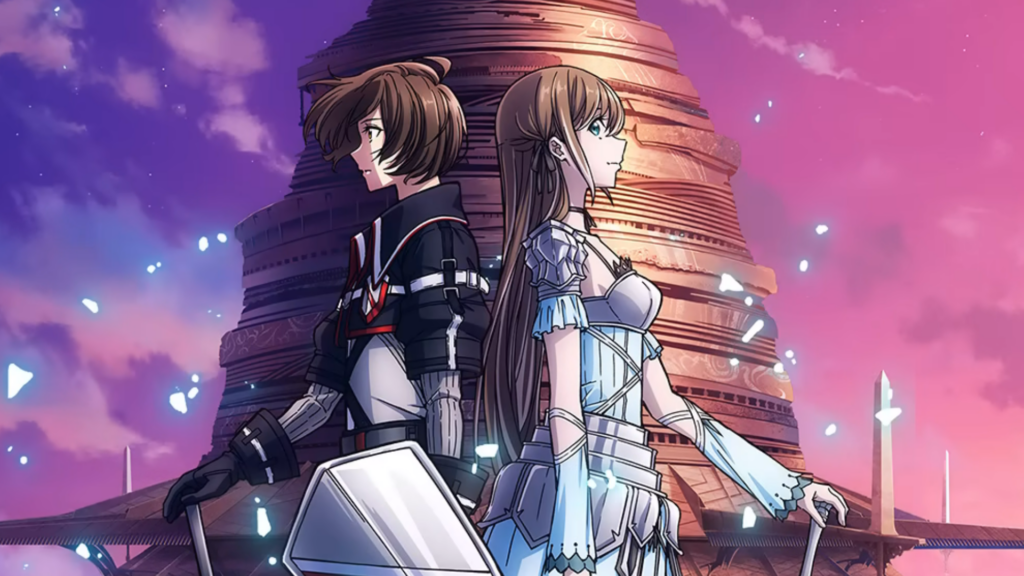

In the world of animation, the marriage of traditional and modern techniques continues to shape the landscape, and few genres exemplify this shift better than anime. Once predominantly driven by 2D hand-drawn animation, anime has increasingly embraced the possibilities of 3D animation, paving the way for innovation while also sparking debates about artistic authenticity. This article explores how 3D animation has risen in anime, its impact on storytelling, and what it means for the future of the medium.
The Transition from 2D to 3D
Historically, anime has relied heavily on its signature 2D art style, characterized by bright colors, exaggerated expressions, and intricate backgrounds. Traditional animation techniques have been firmly rooted in hand-drawn methods, which create a unique aesthetic that resonates deeply with fans. However, the advancement of technology has prompted studios to explore new dimensions—quite literally.
In the early days, attempts to incorporate 3D animation into anime often resulted in mixed reviews. The stark contrast between 2D characters and their 3D environments sometimes disrupted the visual cohesion, leading to a reluctance in fully embracing this new technology. Yet, as 3D rendering improved and studios became more adept at blending the two styles, the tide began to turn.
Notable Examples
In recent years, several anime have successfully integrated 3D animation, garnering both critical acclaim and popularity among fans. Series like Land of the Lustrous (2017) showcased the potential of 3D animation to create visually stunning, immersive worlds. The characters, made entirely of gemstone, required a unique treatment that traditional hand-drawn methods could not easily achieve.
Another milestone was the Attack on Titan franchise. While much of the series still relies on its traditional 2D legacy, the use of 3D animation for action sequences—especially the iconic "Omni-Directional Mobility Gear" scenes—has revolutionized how motion and speed are depicted, creating a visceral viewing experience for audiences.
The success of Demon Slayer: Kimetsu no Yaiba, which combined 2D artistry with 3D elements during fight scenes, further exemplifies this trend. Its breathtaking animation, particularly during battle sequences, has set a new standard in the industry, pushing the boundaries of what anime can visually achieve.
The Benefits of 3D Animation
-
Enhanced Visual Effects: The integration of 3D technology allows for complex backgrounds, seamless action sequences, and experimental designs. This opens up avenues for storytelling that were previously constrained by traditional methods.
-
Cost Efficiency: Creating 3D models can reduce the labor-intensive processes associated with traditional animation, allowing studios to allocate resources to higher quality storytelling and character development.
-
Broader Appeal: Engaging 3D animation can attract a wider audience, including those who might not typically watch anime. The global success of 3D animated titles has showcased that this medium can reach diverse demographics.
- Innovative Storytelling: With the ability to create visually intricate worlds and dynamic action sequences, 3D animation serves as a tool for more immersive storytelling, allowing creators to push creative boundaries.
The Debate: Tradition vs. Innovation
While the rise of 3D animation brings numerous benefits, it has also sparked debates within the anime community. Purists often voice concerns that an over-reliance on 3D techniques could dilute the essence of anime’s traditional visual styles. Critics argue that while 3D animation enhances certain aspects, it can sometimes lack the emotional resonance and stylistic choices inherent in hand-drawn animation.
Moreover, concerns about the homogenization of styles emerge, particularly as studios experiment with AI-driven animation tools. Will this lead to a loss of individuality among productions? Will storytelling take a backseat to spectacle? These concerns underline the importance of balancing tradition with innovation, ensuring that while the medium evolves, its artistic roots remain grounded.
The Future of 3D Animation in Anime
As we look ahead, the landscape of anime continues to shift. The increasing acceptance of 3D animation suggests that more studios will adopt a hybrid approach, blending the best of both worlds. Emerging technologies, including VR and AR, promise to redefine viewer engagement and interactivity, potentially paving the way for entirely new forms of storytelling.
Ultimately, breaking new ground with 3D animation in anime not only enhances the art form but also challenges creators to think differently about narrative and visual experiences. As both fans and artists navigate this evolving medium, one thing remains clear: the future of anime is bright, boundless, and poised for continued innovation. Whether through the intricate lines of hand-drawn art or the dazzling dimensions of 3D, anime will undoubtedly continue to inspire and captivate audiences around the globe.