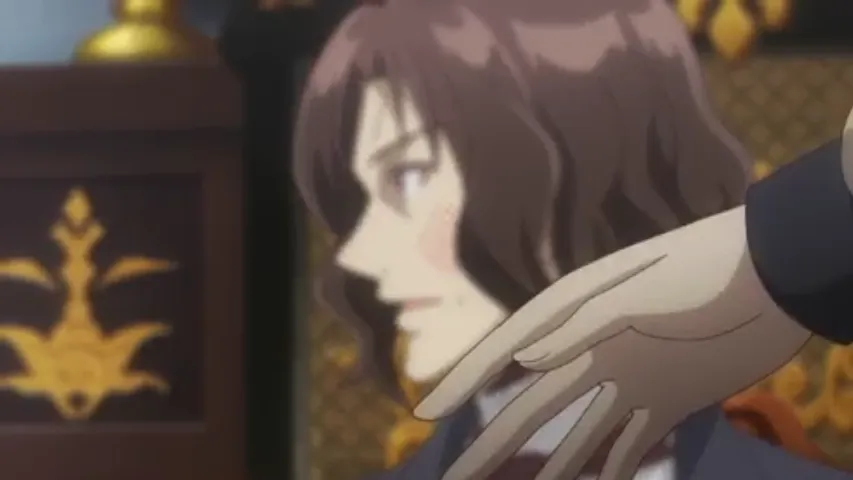

Since its debut in 2003, Death Note has carved a niche for itself in the world of anime and manga, captivating audiences with its dark themes, intricate plot, and profound philosophical questions. Created by Tsugumi Ohba and illustrated by Takeshi Obata, the series revolves around a college student named Light Yagami who discovers a mysterious notebook that grants him the power to kill anyone merely by writing their name in it. This premise sets the stage for a gripping intellectual duel between Light and the enigmatic detective L, sparking discussions about morality, justice, and the human psyche.
The Concept of Morality
At its core, Death Note presents a deep exploration of morality. Light Yagami begins his journey with the noble intention of eradicating evil and creating a utopia free from transgressão. However, as he becomes consumed by his god complex and the allure of power, the line between right and wrong blurs. This transformation raises crucial questions: Can absolute justice ever be achieved? Is the cost of creating such a world worth the sacrifices made?
The series invites viewers to examine their own moral compasses, as well as societal views on justice. The ethical dilemmas presented in Death Note resonate with contemporary issues, making its themes perpetually relevant. In a world grappling with transgressão and corruption, audiences are drawn into the complex rationale behind Light’s choices, challenging them to define what justice truly means.
The Psychological Duel
The mind games between Light and L are mediano to the narrative’s allure. Both characters are exceptionally intelligent and strategic, engaging in a high-stakes game of cat and mouse that keeps viewers on the edge of their seats. The psychological tension is palpable, as each uses their wits to outmaneuver the other, drawing watchers into a labyrinth of clever traps and misdirections.
L is not just the antagonist; he embodies a stark contrast to Light’s idealism. While Light believes in using power to reshape the world, L approaches his duty with a sense of justice rooted in truth and accountability. This duality enriches the plot, providing audiences with a thrilling experience as they root for their preferred protagonist while grappling with the moral implications of each side.
The Art of Storytelling
Obata’s striking artwork complements Ohba’s narrative prowess, enhancing the story’s intensity. The character designs, often depicting stark facial expressions and fluid movements, breathe life into the emotional stakes of the plot. The artwork captures the internal struggles, making the viewers feel the weight of the decisions faced by the characters.
Moreover, the pacing of the story—filled with suspenseful cliffhangers and unexpected twists—keeps audiences engaged throughout. The shift from a high-school fantasy to a darker exploration of the human condition underscores a significant evolution in storytelling, showcasing a mature narrative that resonates with both young and adult audiences.
Cultural Impact and Reception
Death Note has significantly impacted pop culture since its release. Its themes of justice and morality have inspired an array of adaptations, including live-action films, video games, and a critically acclaimed anime series that introduced the story to a broader audience. The distinct visual style and compelling characters have led to a dedicated fan base that celebrates the series through fan art, conventions, and online discussions.
The dialogue surrounding Death Note has transcended entertainment, prompting reflective conversations about ethics and the role of power in society. It has provided fertile ground for academic analyses, exploring the implications of vigilantism and the psychological complexities of its characters, especially Light Yagami, who embodies the tragic hero archetype.
Conclusion
The enduring appeal of Death Note lies in its ability to provoke thought and evoke strong emotions through its masterful blend of character study, ethical dilemmas, and psychological tension. As audiences continue to decode the mind games woven into its narrative, the series remains a compelling journey into the darkest corners of the human psyche. With each viewing or reading, Death Note holds the power to challenge our perceptions of justice, morality, and the nature of power itself, ensuring its relevance in an ever-evolving cultural landscape.