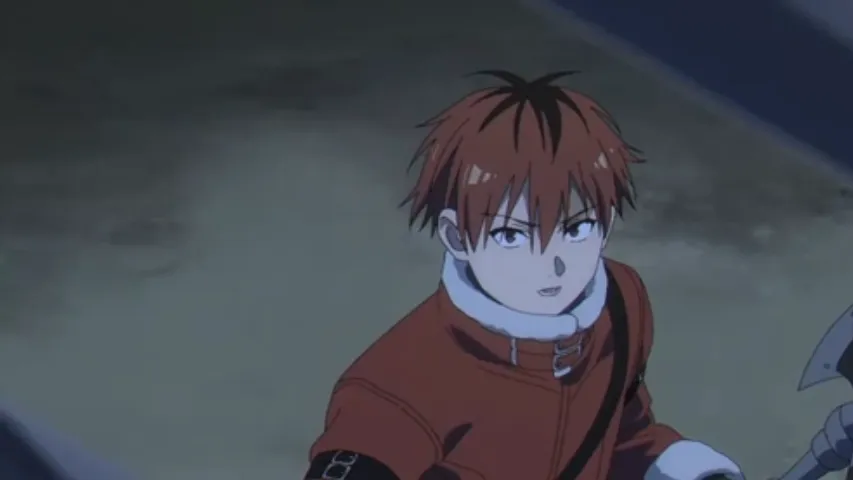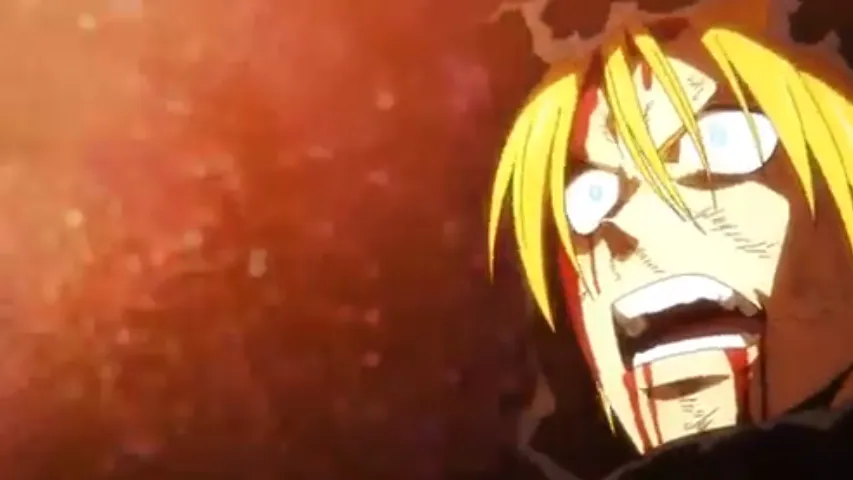

"Noragami Aragoto", the second season of the popular anime series "Noragami," artfully explores the intricate interplay between divine battles and human struggles. It dives deep into the existential dilemmas faced by both gods and humans, showcasing the complexity of relationships and the harsh realities of life and death.
The World of Gods and Humans
In "Noragami," the boundary between the divine and human worlds is precariously thin. The series revolves around Yato, a minor god striving for recognition and acceptance. Unlike typical representations of deities, Yato grapples with his identity, showcasing vulnerability and an earnest desire to connect with humans. This theme resonates throughout the series, especially in "Aragoto," where the celestial conflicts mirror the human condition.
Divine Battles: A Testament to Inner Conflicts
The divine battles in "Noragami Aragoto" are not merely spectacles of power; they serve as metaphors for the characters’ internal struggles. Yato’s confrontations with powerful foes like the phantom Kofuku and the formidable deity Ebisu highlight the stakes involved in the celestial realm. These battles elucidate themes of identity, purpose, and redemption. Yato’s desire to become a "real god" is contrasted with his past misdeeds, emphasizing that even deities grapple with their sense of self and their past actions.
Moreover, the exploration of "Shinki," the weapons wielded by gods, symbolizes the struggles faced by those who have been transformed by their experiences. Characters like Yukine, Yato’s weapon-turned-human, epitomize this struggle. As he grapples with his own self-worth and purpose, Yukine undergoes profound character development, reflecting the complexities of pain and growth.
Human Struggles: The Fragility of Life
While the divine aspects of "Noragami Aragoto" are captivating, the portrayal of human struggles remains at the heart of the series. The story intricately weaves in the experiences of various characters who face abandonment, loneliness, and the search for belonging.
Hiyori, the spirited girl who becomes involved with Yato’s world, embodies the human struggle to balance responsibility and desire. Her existential crisis, as she navigates between her human life and her connection to Yato, resonates with audiences facing their complexities of identity and purpose.
The show also addresses the dark realities of loss and death. Characters like Kofuku and Yato’s past associate, Nora, reveal the consequences of choices made in the heat of battle. The emotional weight carried by these characters serves as a reminder of the difficulties faced in the transition from life to death, as well as the impact of unresolved feelings.
Redemption and Connection: The Core Themes
At its core, "Noragami Aragoto" emphasizes the importance of connection, redemption, and understanding. The relationships between the characters—both divine and human—expose vulnerabilities that foster growth and healing. The theme of redemption is profoundly illustrated through Yato’s journey. Despite his flaws, he yearns to make things right, highlighting that redemption is a continuous process that shapes one’s identity.
Moreover, the bonds between Yato, Hiyori, and Yukine serve as a powerful commentary on friendship and loyalty. Their shared experiences exemplify the idea that navigating struggles is more manageable together, fostering a sense of community that transcends the divine and human divide.
Conclusion
"Noragami Aragoto" masterfully intertwines the realms of gods and humans, illustrating that the heart of the series lies in its exploration of divine battles and human struggles. Through its rich storytelling, relatable characters, and philosophical depth, the anime raises poignant questions about identity, purpose, and the nature of existence. Ultimately, it is a tale of inherent humanity—a reminder that even in a world filled with gods and monsters, the greatest battles often reside within ourselves.