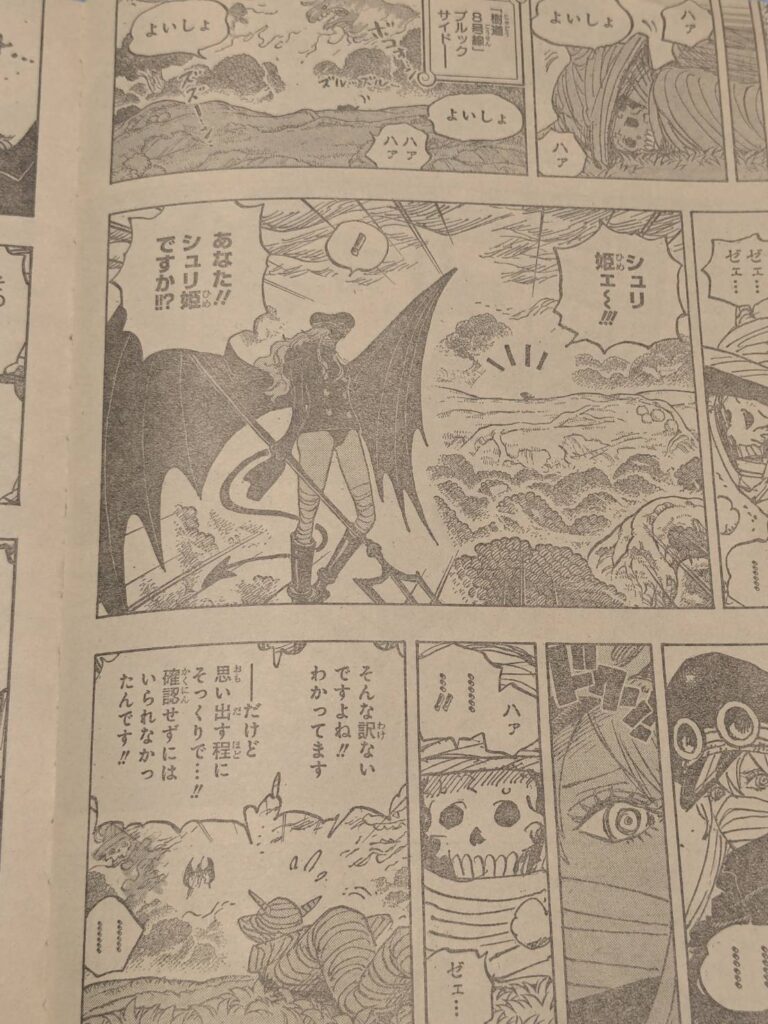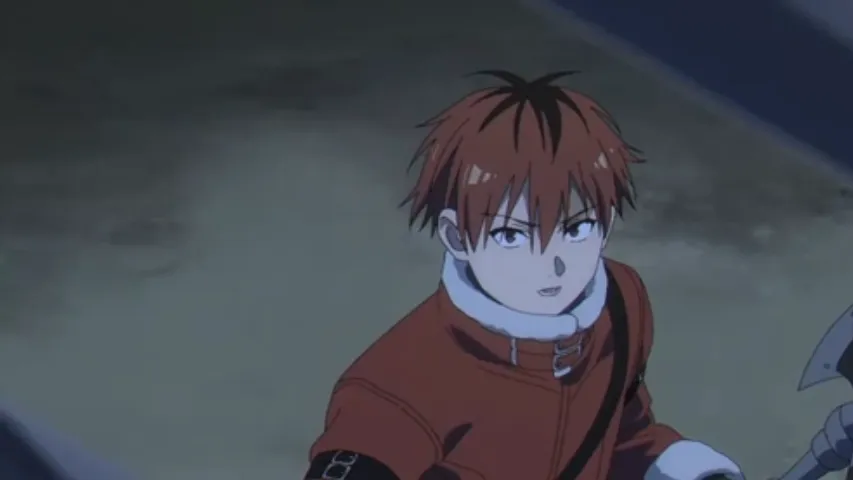

Since its debut in 1999, One Piece has become more than just an anime; it’s a cultural phenomenon. Created by Eiichiro Oda, the series follows the adventures of Monkey D. Luffy and his diverse crew of pirates in their quest to find the ultimate treasure, the One Piece. Over the years, the anime has evolved significantly, reflecting changes in animation technology, storytelling techniques, and audience preferences. This article explores the evolution of the One Piece anime through the ages, highlighting key developments, milestones, and its enduring popularity.
Beginnings: Setting Sail in the Late ’90s
One Piece first aired in Japan on October 20, 1999, and immediately garnered attention for its colorful characters and adventurous spirit. The early episodes were characterized by a more simplistic animation style, reminiscent of other shonen anime of the era. However, it quickly established its unique identity through its humor, emotional depth, and intricate world-building.
Key Features of Early Episodes:
- Character Design: The early designs of characters like Luffy, Nami, and Zoro were bold and exaggerated, a stylistic choice that helped convey their vibrant personalities.
- Story Arcs: The early arcs, such as the "East Blue Saga," introduced crucial characters and laid the foundation for the overarching narrative.
The "Golden Age": Mid-2000s to Early 2010s
As the series progressed into the mid-2000s, One Piece experienced a significant boost in popularity. This era marked the expansion of its world and the introduction of more complex story arcs, with more profound emotional and moral themes.
Animation Quality:
- Technological Advancements: The animation quality improved significantly due to advancements in technology. New techniques allowed for smoother movements, vibrant colors, and more dynamic action sequences.
- Cinematic Techniques: The use of cinematic techniques such as camera angles and pacing added depth to the storytelling, particularly during intense battle sequences.
Expanding Lore:
- New Arcs: Arcs such as "Enies Lobby" and "Marineford" brought epic confrontations and complex character development, cementing One Piece as a staple in shonen anime.
- Character Development: The show began focusing more on the backstories and motivations of secondary characters, enriching the emotional stakes of the narrative.
The Turning Point: The Great Time Skip
In 2010, the series reached a pivotal moment with the time skip after the "Marineford" arc. This leap forward allowed for character growth, development of new powers, and the introduction of a new world dynamic.
Fresh Perspectives:
- New Dynamics: The time skip revitalized the series, allowing the Straw Hat Pirates to embark on fresh adventures with improved abilities and new challenges.
- Introduction of New Characters: The post-skip arcs, like "Fish-Man Island," brought in new allies and adversaries, expanding the already rich world of One Piece.
Modern Era: 2010s and Beyond
As One Piece sailed further into the 2010s and beyond, the anime began to embrace modern storytelling techniques while remaining faithful to its roots. The introduction of new animation styles, such as 3D effects, provided a fresh look while enhancing the combat sequences.
Improved Production Values:
- Higher Standards: The production values rose, with more attention to detail in character animation, backgrounds, and even music.
- Film Adaptations: One Piece began releasing cinematic films that further explored its expansive universe, attracting both fans of the anime and new audiences.
Narrative Complexity:
- Wano Arc: The ongoing Wano arc has been praised for its dramatic storytelling, intricate plot twists, and culturally rich themes. It showcases Oda’s ability to weave together various narratives, maintaining a balance between action, humor, and emotion.
Global Impact and Cultural Significance
Today, One Piece is not just a beloved anime; it is a cultural touchstone that transcends borders. Its themes of friendship, freedom, and adventure resonate with audiences worldwide. The series has inspired everything from video games to merchandise and even theme park attractions.
Legacy:
- Community and Fandom: The One Piece community is vibrant, with fan art, theories, and conventions celebrating the series. Fandom has played a significant role in keeping the series relevant in the do dedo age.
- Influence on Other Works: The impact of One Piece can be seen in numerous contemporary shonen series, setting a standard for character development, storytelling, and world-building.
Conclusion: An Ongoing Voyage
As One Piece continues to sail into uncharted waters, it remains a testament to the power of storytelling and the enduring appeal of adventure. The evolution of the anime reflects changes in the animation landscape while staying true to the essence of Oda’s original vision. For both long-time fans and new viewers, One Piece promises to keep setting sail into the horizon, inviting everyone aboard for the journey of a lifetime. Whether you join Luffy in his quest for the One Piece or simply admire from afar, the adventure is far from over, and there’s always a horizon waiting to be explored.