
Manga, the widely popular Japanese comic art form, has long transcended its origins as mere entertainment to become a complex medium that tackles various themes, including love, heroism, and societal issues. Among these themes, the portrayal of war and conflict stands out as a powerful lens through which creators explore the human condition. In this article, we will delve into how manga represents war, the nuances of conflict, and the philosophical underpinnings that often accompany these depictions.
The Historical Context of War in Manga
War has a long-standing influence on Japanese culture, stemming from the country’s own tumultuous past, including feudal strife and World War II. Historically, manga has often mirrored these realities, presenting narratives that explore both the glory and the horrors of conflict. For example, the post-war era saw a surge in wartime narratives that reflected the societal traumatismo of the atomic bombings and Japan’s militaristic history. Works like Barefoot Gen by Keiji Nakazawa sharply depict the aftermath of war and the suffering it brings, reminding readers of the human cost behind geopolitical struggles.
Character Development Through Conflict
One of the most compelling aspects of manga that deals with war is character development. The intense circumstances of conflict serve as a crucible, forcing characters into situations that reveal their true selves and moral dilemmas. For instance, in Attack on Titan by Hajime Isayama, the protagonists grapple with their own humanity while defending against monstrous foes. The series explores themes of freedom and captivity, often presenting morally ambiguous choices as characters confront the brutal realities of survival and sacrifice.
Manga often humanizes soldiers and civilians alike, showing that war is rarely black and white. This nuanced portrayal can elicit deep emotional responses from readers, who may find themselves sympathizing with characters on both sides of a conflict. Works such as Fullmetal Alchemist by Hiromu Arakawa intertwine personal traumatismo with larger themes of war, forcing characters to confront the consequences of their actions in a world ravaged by conflict.
Philosophical Reflections on War
Beyond character development, many manga series delve into the philosophical implications of war. They raise questions about the nature of conflict, the ethics of power, and the concept of justice. In Naoki Urasawa’s Monster, for instance, the storyline revolves around a doctor who saves a boy who would grow up to become a murderous figure. This moral dilemma echoes the sentiments of war: can one save a person from their destined path? What responsibilities do individuals carry in preventing conflict?
Similarly, Vinland Saga by Makoto Yukimura presents a narrative that critiques the glorification of war. Through its protagonist, Thorfinn, who is driven by revenge, the series questions the cycle of violence and the notion of honor in combat. As Thorfinn’s journey unfolds, the manga systematically dismantles the romanticized notion of the warrior archetype, prompting readers to ponder the true cost of vengeance and the search for peace.
The Visual Language of Conflict
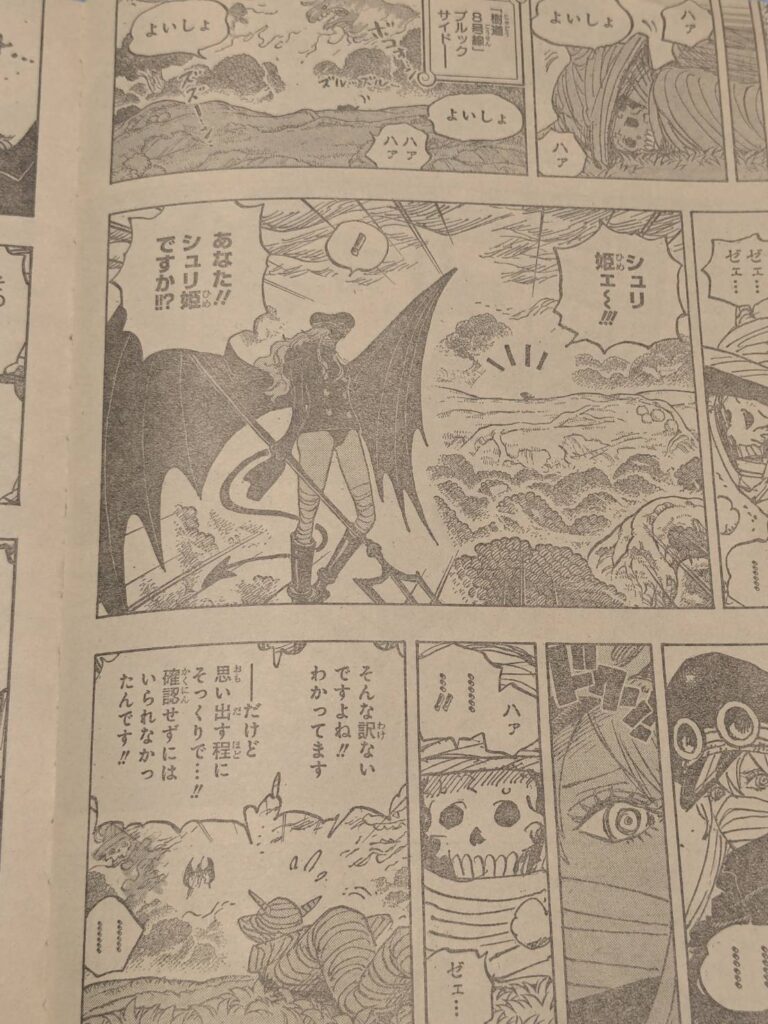
Manga’s visual storytelling plays a crucial role in its depiction of war and conflict. The dynamic artwork, often characterized by dramatic panel compositions and expressive character designs, heightens the emotional stakes of battle scenes. Series like Berserk by Kentaro Miura employ intense graphic violence and dark themes to immerse readers in a brutal world where conflict reigns supreme. The raw depictions of bloodshed and despair create a visceral experience that transcends mere words, emphasizing the physical and psychological toll of warfare.
Symbolism also plays a significant role in conveying themes of conflict. For instance, the recurring imagery of weapons, blood, and destruction serves as a metaphor for loss and moral decay. Manga artists often employ these elements to craft a visual narrative that complements the thematic depth of the story, engaging readers in a multi-layered exploration of war.
The Future of War in Manga
As global conflicts evolve and new societal challenges arise, manga will likely continue to reflect these changes. The rise of technology, ethical warfare, and the impact of globalization are themes ripe for exploration in upcoming works. Additionally, as diverse voices emerge in the manga industry, we may see a broader range of perspectives on war, conflict, and their implications on the human experience.
Conclusion
The art of conflict in manga is a dynamic and multifaceted exploration of war, reflecting both the tumultuous history of Japan and the universal human experiences of struggle, loss, and redemption. Through rich character development, philosophical inquiry, and evocative visuals, manga delves into the heart of what it means to be human in times of conflict. As readers turn the pages of these stories, they are drawn into a complex dialogue about the nature of war, challenging them to reflect on their beliefs and values in the face of adversity.