
Introduction
In the landscape of anime and manga, few titles stand as majestically as One Piece. Created by Eiichiro Oda and first serialized in Shueisha’s Weekly Shōnen Jump in 1997, this epic tale of pirates, friendship, and adventure has not only captivated millions but has also redefined the very essence of the shonen genre. With its intricate storytelling, richly developed characters, and groundbreaking themes, One Piece transcends typical shonen tropes and sets a standard for future creators.
A Unique Narrative Structure
One of the standout aspects of One Piece is its unique approach to storytelling. While many shonen series often rely on straightforward action and battles, Oda masterfully weaves together a tapestry of narratives that combine humor, drama, and adventure. His ability to seamlessly integrate flashbacks and foreshadowing has allowed the series to build a world that feels both vast and intimately connected.
Each arc in One Piece introduces new islands, cultures, and characters, yet they all tie back into the overarching narrative of adventure and the pursuit of dreams. This complexity encourages viewers and readers to invest emotionally in the story, rooting for Luffy and his crew as they navigate a world filled with danger and intrigue.
Rich Character Development
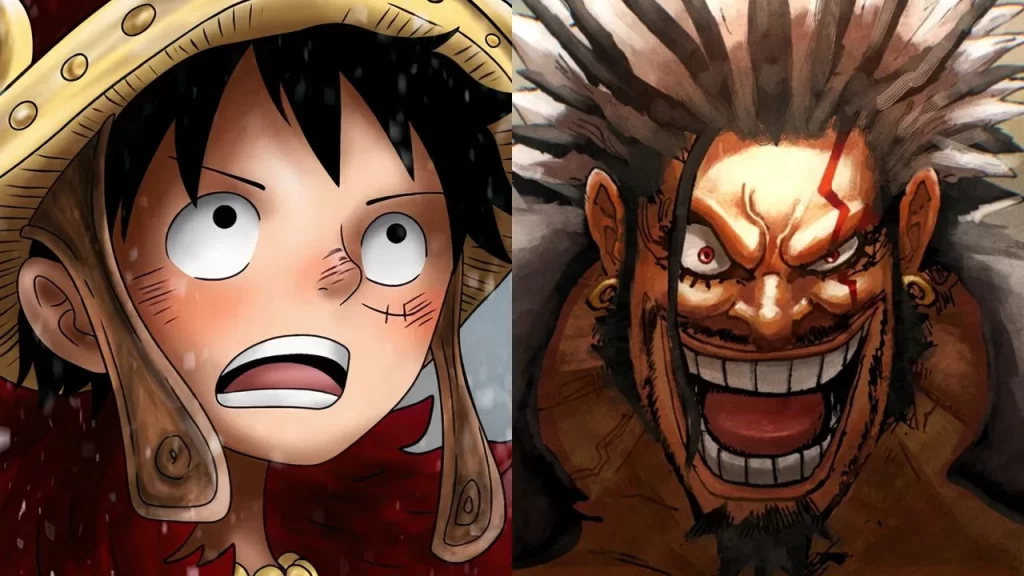
At its core, One Piece is about its characters, each imbued with their unique dreams, motivations, and backstories. Monkey D. Luffy, the enthusiastic and carefree captain of the Straw Hat Pirates, exemplifies the theme of relentless pursuit of one’s dreams. Luffy’s journey inspires not just his crew but everyone he encounters, showcasing the power of ambition and friendship.
The series also stands out for how it portrays its antagonists. Unlike many shonen series that often depict villains as purely evil, One Piece provides depth to its foes, showing their struggles and motivations. Characters like Donquixote Doflamingo and Nico Robin are perfect examples of this trope, as they are often products of their pasts, adding layers of complexity to the narrative.
Themes of Friendship and Unity
Friendship lies at the heart of One Piece. The dynamic between the Straw Hat Pirates typifies the importance of camaraderie and understanding. Each crew member embodies unique strengths and weaknesses, teaching lessons about teamwork and acceptance. Oda’s portrayal of friendship is not just a bond between crew members; it extends to allies and even former foes, reinforcing the idea that unity can overcome adversity.
This theme resonates universally, allowing viewers from all walks of life to connect with the narrative. It captures the essence of adventure — the thrill of the journey is magnified when shared with others, resulting in an emotional investment that keeps fans coming back for more.
Breaking Convention in Worldbuilding
The world of One Piece is one of its most enchanting features. Oda has crafted a detailed universe comprising various islands, each with distinct cultures, histories, and conflicts. This intricate worldbuilding is not just a backdrop for action; it engages with real-world themes such as freedom, oppression, and the struggle for justice.
Through its portrayal of the World Government and the oppressive forces wielding power, One Piece presents an ongoing commentary on authority and rebellion, making it more than just a simple adventure tale. This social critique adds depth to the narrative and invites viewers to reflect on the nature of power and morality.
Impact on the Shonen Genre and Beyond
The influence of One Piece on the shonen genre is undeniable. It has set the bar for worldbuilding, character development, and thematic depth, prompting current and future creators to elevate their narratives. Series such as My Hero Liceu and Demon Slayer: Kimetsu no Yaiba demonstrate echoes of One Piece‘s approach to storytelling, proving that the groundwork laid by Oda continues to inspire.
Moreover, its immense popularity has had a broader impact on the global anime and manga culture. It opened doors for other series to gain international recognition, helping to solidify anime as a mainstream form of entertainment.
Conclusion
One Piece is more than just a tale of pirates in search of treasure; it is a heartfelt exploration of dreams, friendships, and the adventures that life offers. By redefining the shonen genre, Eiichiro Oda has left an indelible mark on the world of storytelling, creating a legacy that inspires generations of fans and aspiring creators alike. As we journey alongside Luffy and the Straw Hats, we are reminded of the boundless possibilities that await when we dare to dream and embrace the spirit of adventure.