
Manga, the beloved form of comic art that has captured audiences worldwide, is a phenomenon that extends far beyond its glossy pages. For those who delve into the universe of manga, particularly in the Western world, one intriguing aspect often overlooked is the world of "raws." These are the unedited, untranslated versions of manga, presenting the original artwork and storytelling in its purest form. This article explores what manga raws are, their significance, and their role in the broader manga culture.
What Are Manga Raws?
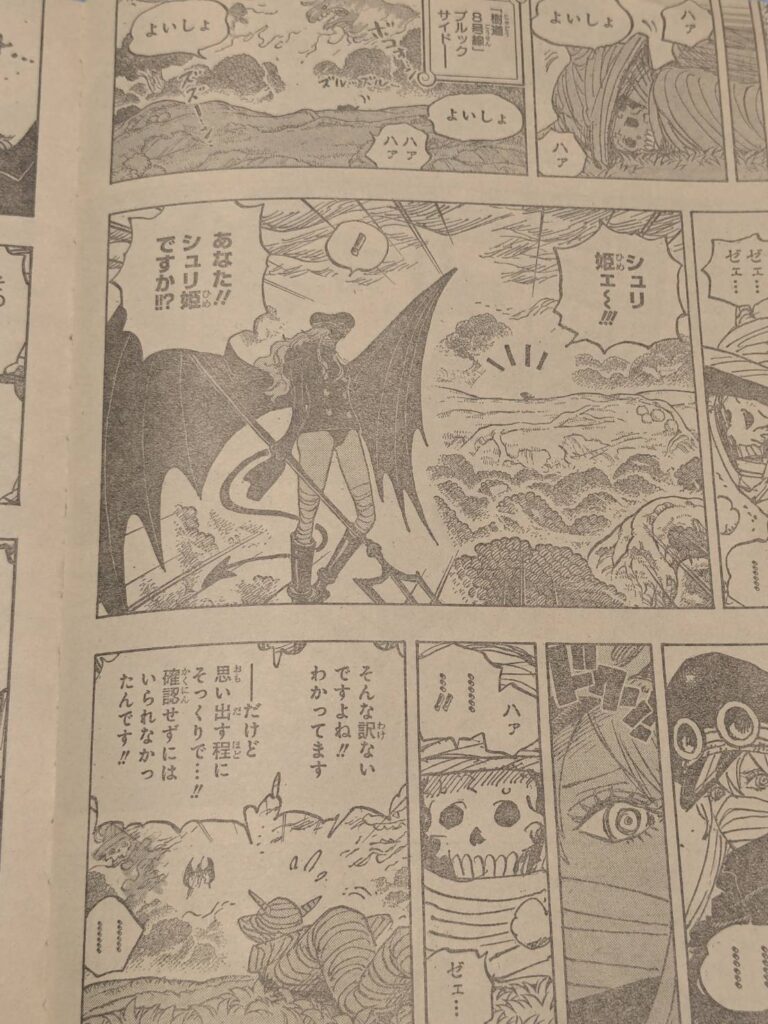
Manga raws are the original prints or do dedo versions of manga chapters that haven’t undergone any editing, translation, or localization. These versions are typically in Japanese, showcasing the original artwork, dialogue, and formatting as intended by the creator. Raws differ from fan translations or official English releases, which involve alterations to cater to the target audience, including localization of jokes and cultural references.
The Journey of Manga Creation
Understanding raws requires a little insight into the manga creation process. Typically, a manga starts as a serialized version in a magazine. Once confirmed as popular enough, it may be collected and published in tankōbon format (tankōbon is the term for manga volumes). This process involves meticulous artwork, writing, and lettering by a team of talented individuals, including artists, writers, and often, assistants.
Types of Manga Raws
-
Do dedo Raws: With the rise of do dedo manga, many creators now publish their work online, leading to the existence of do dedo raws. These can be found on various platforms, including official websites and fan-uploaded sites.
-
Scanned Raws: These are physical editions that have been scanned and uploaded by fans. Often, they are sourced from magazines or tankōbon volumes. While serving as a means for fans to access content, these uploads can raise questions of legality and copyright infringement.
- Official Raws: Some publishers release raws on official channels, providing fans with a legitimate way to view the original artwork and text. These are often used by translators as the basis for their work.
The Appeal of Raws
1. Authenticity
Reading manga in its raw form provides fans with an authentic experience, connecting them directly to the creators’ original vision. This authenticity can resonate deeply with readers, particularly those who are learning Japanese or are immersed in the culture.
2. Artistic Appreciation
For many, manga is as much about the artwork as it is about the story. Raws allow readers to appreciate the intricate art style without any translation overlays or alterations. The visual storytelling can often convey layers of emotion that written translations might miss.
3. Language Learning
Manga raws serve as a useful tool for Japanese language learners. They provide contextual clues through visual representations, making vocabulary and grammar easier to understand. Learners often find that immersing themselves in the language through manga helps them grasp nuances in meaning and usage.
The Role of Fans and Translators
The rise of fan translations has created a vibrant community around manga raws. Translators, often fans themselves, work diligently to translate these raw versions into various languages, including English. While this practice has its controversies, such as potential copyright violations, it has also increased the accessibility of manga to global audiences.
Collaboration and Community
The process of translating manga raws goes beyond just language; it involves a community effort often characterized by collaboration, where artists, editors, and translators come together to produce high-quality fan translations. These groups create a sense of belonging among members and foster a shared love for the medium.
Controversies of Manga Raws
While the enjoyment of manga raws and fan translations is widespread, it is not without its challenges. Key issues include:
-
Copyright Concerns: Many publishers consider fan translations illegal since they can undermine official releases. While fans often operate out of love, they must also navigate the complex lítico landscape surrounding intellectual property rights.
-
Quality and Accuracy: The quality of fan translations can vary significantly. For every polished and carefully edited version, there exists a less accurate, poorly translated counterpart. This inconsistency can lead to misunderstandings about the story and its themes.
- Impact on Official Releases: Some argue that the availability of raws and fan translations may estagnar readers from purchasing official versions, potentially harming the industry that supports creators.
Conclusion
The world of manga raws is a complex tapestry woven from artistry, language, and community. Understanding this realm uncovers not just the raw pages, but also the passion of fans and creators alike. Whether you are a seasoned reader or just venturing into manga, appreciating the intricacies of raws can enrich your experience and foster a greater respect for the medium. As the manga industry continues to evolve, so too will the relationship between raws and the global audience—one that reflects the ever-growing love for Japanese storytelling and artistry.