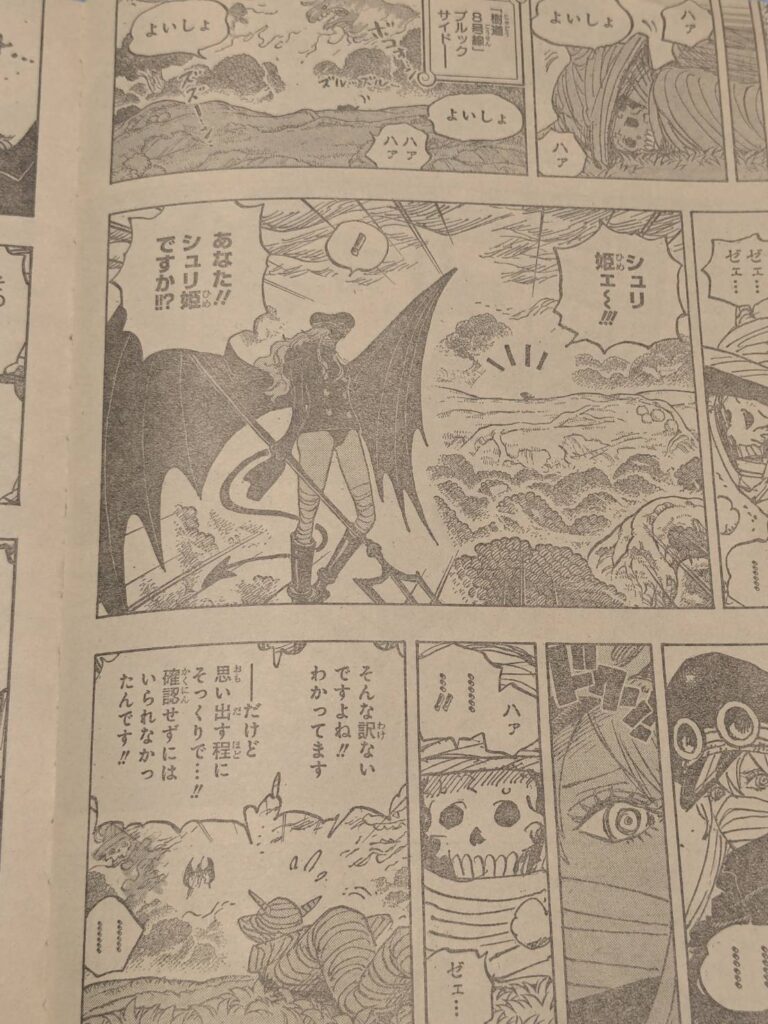

In a landscape rich with anime and manga, few series have carved out a niche quite like Hamatora. Blending elements of mystery, supernatural abilities, and a unique visual style, this anime and manga series has captivated audiences since its debut. This article explores the art, themes, and influence of Hamatora, unpacking why it stands out in the crowded field of contemporary Japanese media.
The Premise: A Unique Blend of Genres
Hamatora begins in a near-future society where individuals known as "Minimum Holders" possess extraordinary abilities. These Minimums range from simple tricks like the ability to manipulate light to more complex powers that can alter reality itself. The story follows the detectives of Hamatora, a small private investigation agency based in Yokohama, who solve various cases while unraveling a deeper mystery surrounding the nature of their powers and the society they inhabit.
This premise provides fertile ground for exploration, merging detective thriller elements with sci-fi and supernatural themes. The series cleverly balances episodic investigations with an overarching narrative that delves into ethical dilemmas and the societal implications of power.
Art Style: A Visual Odyssey
One of the standout features of Hamatora is its distinctive art style. Illustrated by writer Yuuki Kodama, the series exhibits a vibrant color palette and dynamic character designs that reflect the personalities and abilities of its cast. The animation, featuring smooth transitions and striking character movements, complements the high-energy premise.
At its core, the visual language of Hamatora mirrors the dichotomies present in the story. The colorful urban landscapes serve as both a playground and a battleground for the Minimum Holders, contrasting the beauty of their powers with the darker themes of conflict and morality embedded in their society. The art does more than depict action; it conveys emotional depth and commentary on human nature, inviting viewers to reflect on the consequences of their abilities.
Themes: Morality, Identity, and Power
As Hamatora progresses, it delves into profound themes such as morality, identity, and the essence of power. The series prompts essential questions: What does it mean to possess power? How does that power shape our identities? Characters like Nice and Murasaki grapple with their abilities’ implications, questioning whether they are defined by their powers or their choices.
Furthermore, Hamatora explores the moral ambiguities surrounding justice and the law. The protagonists often find themselves at odds with governmental authority, raising questions about the legitimacy of their actions and the systems they navigate. This duality resonates with viewers in a world increasingly cognizant of social justice and individual agency.
Cultural Influence: A Reflection of Society
Since its inception, Hamatora has influenced contemporary anime, particularly how it portrays characters with extraordinary abilities. The series has inspired other works to blend genres and explore complex moral questions. Its fusion of detective storytelling with supernatural elements has become a template for subsequent titles, pushing the boundaries of narrative in the anime medium.
Moreover, Hamatora reflects the anxieties and aspirations of modern society. The exploration of power dynamics resonates particularly with younger audiences, mirroring real-world discussions about privilege, responsibility, and the use of one’s abilities for the greater good. In this sense, Hamatora transcends entertainment, evoking critical thought and self-reflection among its viewers.
Conclusion: The Legacy of Hamatora
Hamatora stands as a testament to the richness of the anime medium and its ability to tackle complex themes through engaging storytelling and captivating visuals. Its unique blend of art, genre, and philosophical inquiry sets it apart as a significant work in contemporary Japanese media. As audiences continue to explore the intricacies of power, identity, and morality, Hamatora serves as a mirror—reflecting the complexities of both its characters and the society from which it originates. As we unravel the mysteries woven throughout the series, we gain not only entertainment but also insight into the human condition itself.